
Advantages of Eco-Friendly Farming amidst Technological Advancements
In the ever-evolving landscape of agriculture, a revolution is underway as farmers around the world embrace modern sustainable practices. These innovative methods, combined with cutting-edge machinery and digital technologies, are transforming farming into an industry that not only boosts productivity but also protects and regenerates the environment.
One such practice is regenerative agriculture, which focuses on restoring soil health and reducing greenhouse gas emissions. By integrating conservation tillage machinery, such as no-till or reduced-till seed drills and planters, farmers can minimize soil disturbance, reduce erosion, and enhance microbial activity in the soil. This integration improves soil structure and fertility while increasing crop yields and lowering carbon footprint.
Agroforestry is another sustainable practice that has found a new lease of life with the help of modern machinery. By incorporating trees and shrubs into crop systems, farmers can promote biodiversity and ecosystem services. Specialised planters and harvesters adapted for mixed cropping systems help efficiently establish and manage agroforestry plots, improving productivity and environmental resilience.
Smart greenhouses are another example of this symbiotic relationship between technology and sustainability. These high-tech structures precisely control environmental factors like temperature, humidity, light, soil moisture, and CO₂ through sensors and automated systems. This technology optimises plant growth, reduces water use by up to 30%, and lowers labor costs by 30–50%. Techniques like hydroponics and aquaponics within these greenhouses eliminate soil dependency, enabling sustainable year-round production with minimal environmental impact.
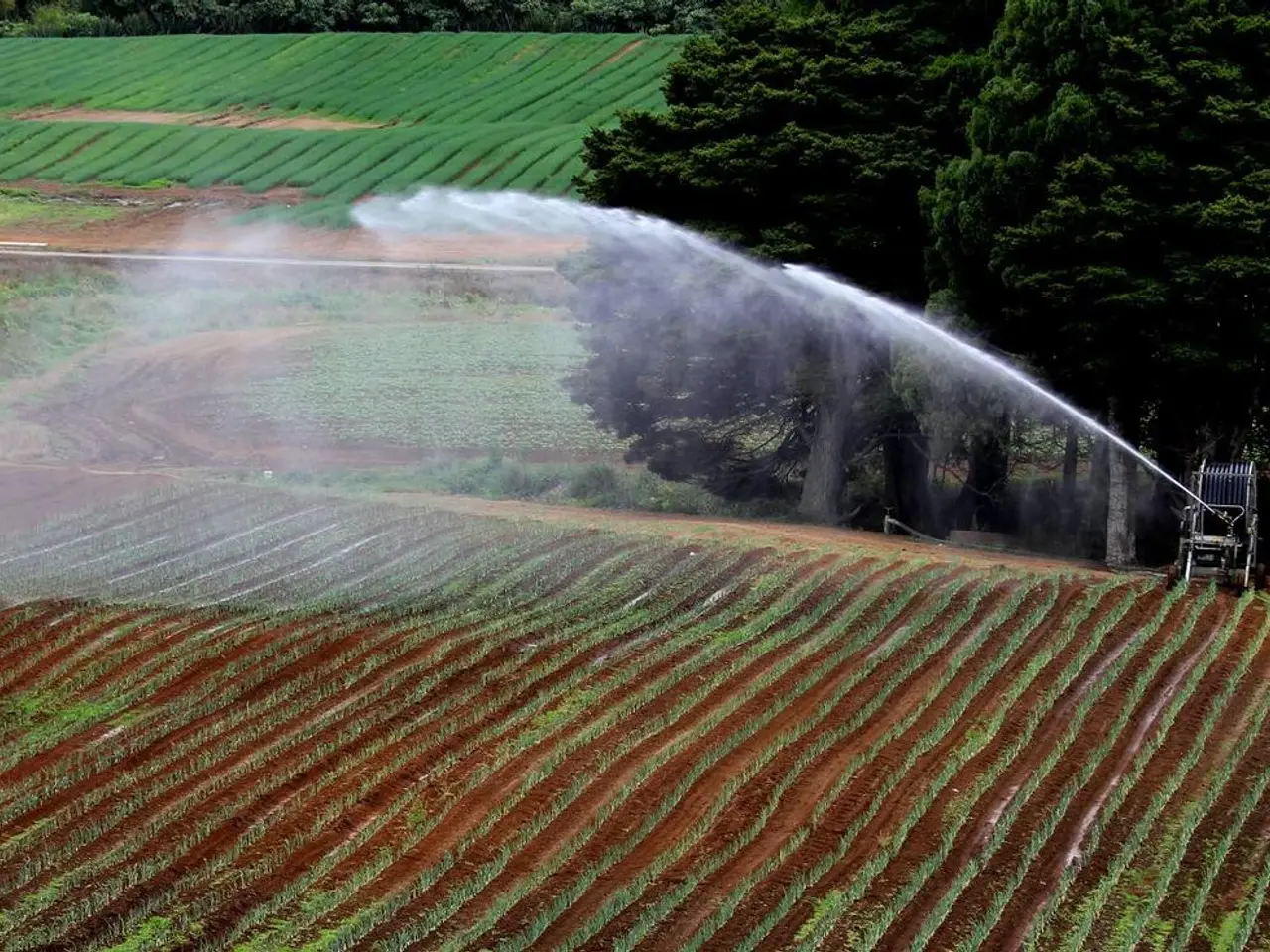
Precision agriculture, a farming management concept based on observing, measuring, and responding to inter and intra-field variability in crops, is another game-changer. Soil sensors monitor moisture and nutrient content in real-time, enabling precise irrigation and fertilization that can reduce water use by 30%. Satellite imagery and drones assess crop health and soil variability, allowing machines equipped with GPS and variable rate technology (VRT) to apply inputs exactly where needed, reducing waste and boosting yields by up to 15%.
Autonomous tractors and harvesters, guided by GPS and AI, operate 24/7, improving efficiency by reducing labor requirements and optimizing field operations such as planting, spraying, and harvesting. This precision decreases input overuse, lowers fuel consumption, and reduces soil compaction by controlled traffic farming, collectively benefiting soil health and reducing environmental impact.
These examples illustrate how combining sustainable farming practices with cutting-edge machinery and digital technologies can simultaneously enhance productivity, protect and regenerate soils, and reduce negative environmental impacts in modern agriculture. From regenerative agriculture and agroforestry to smart greenhouses, precision agriculture, and autonomous machinery, the future of farming is green, efficient, and sustainable.
Modern farming technology also includes biomass energy, wind energy, solar energy, and precision farming techniques that use fewer pesticides and fertilizers. Cost-effective organic farming, although initially requiring high investments in modern machinery, offers long-term savings on labor and increased productivity, making it a worthwhile investment.
Sustainable agriculture plays a crucial role in protecting our planet by reducing pollution, fighting climate change, preserving resources, supporting local economies, and more. As we continue to innovate and adapt, the potential for a greener, more sustainable future in farming is limitless.
- Organic farming, aided by modern machinery, offers long-term savings on labor and increased productivity, despite initial high investments.
- In the realm of environmental-science, precision farming techniques are employed to use fewer pesticides and fertilizers, contributing to a greener and more sustainable future.
- Renewable energy sources like biomass, wind, and solar energy are integrated into modern farming, offering a way to reduce dependence on fossil fuels and combat climate-change.
- By preserving resources and promoting practices such as regenerative agriculture, agroforestry, smart greenhouses, precision agriculture, and autonomous machinery, sustainable agriculture plays a vital role in addressing climate-change and ensuring the long-term health of our environment.




