
Categorization of Digital Devices
In the digital age, computers have become an integral part of our daily lives, powering everything from household appliances to industrial machinery. These computers can be broadly classified based on their size, purpose, and capabilities.
At the top of the hierarchy, we find the mighty Supercomputers. These are the largest and most powerful class of computers, designed for extremely high-speed calculations and large data processing. Capable of performing billions or trillions of calculations per second, they are used for complex scientific simulations such as weather forecasting, space research, and nuclear simulations. Due to their size and power requirements, they necessitate specialized cooling and large physical spaces.
Next in line are Mainframe Computers. Slightly smaller than supercomputers, these are used by large organizations like banks, government offices, and airlines for managing large databases and transaction processing. Supporting hundreds of simultaneous users, they are highly reliable and secure.
The category of Minicomputers falls between mainframes and microcomputers. Medium-sized computers, they support fewer users (about 50 terminals) and are used in mid-level computing environments. They have moderate processing power and storage capacity compared to mainframes.
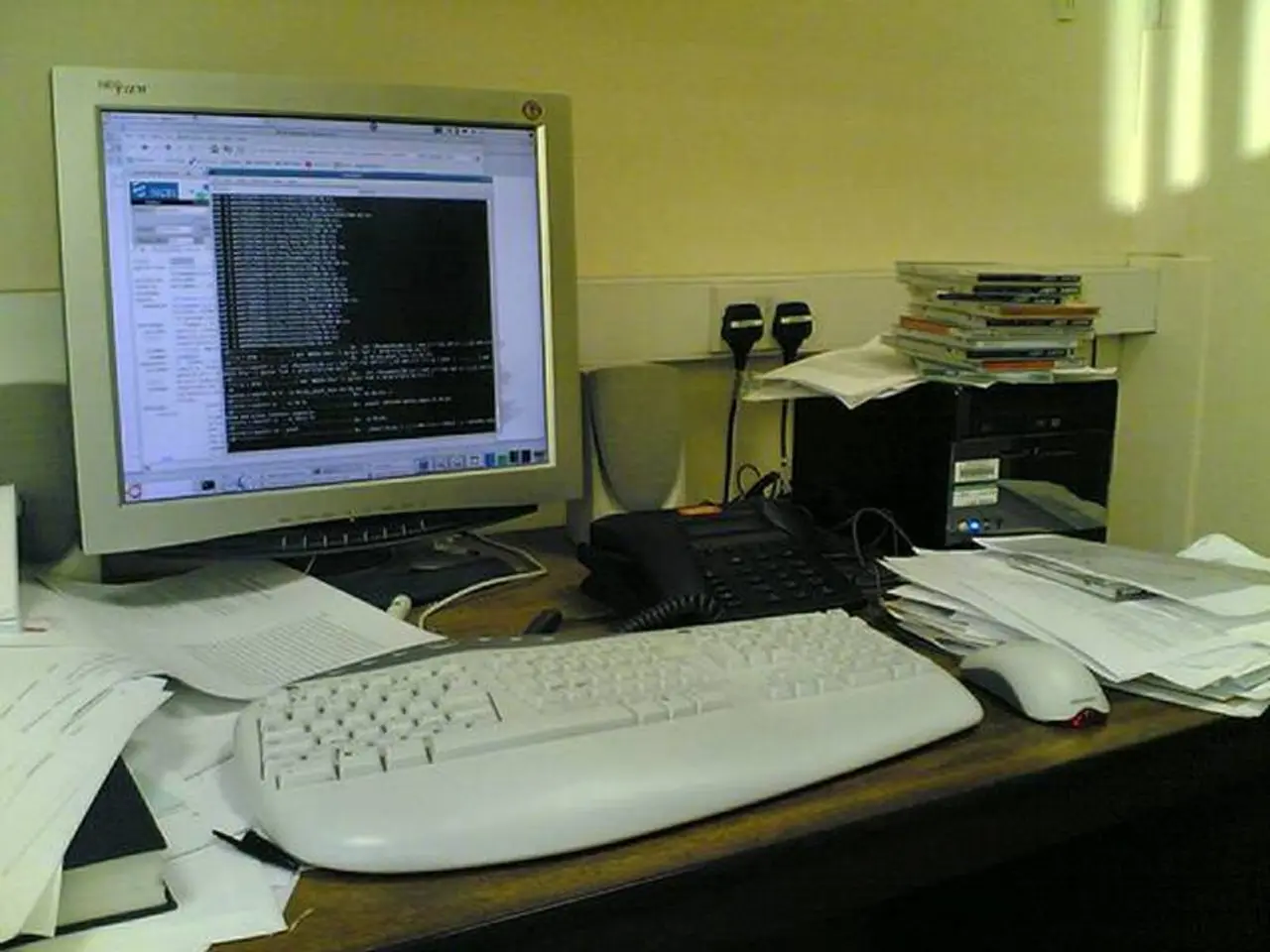
The smallest category is that of Microcomputers, based on microprocessors. Including personal computers such as desktops, laptops, tablets, and smartphones, these are primarily used for individual or small business computing needs.
Beyond these, there are other specialized computers. Embedded Computers are integrated into devices to perform specific control functions, often small and specialized. Workstations and Servers are used for specific professional and network tasks, typically larger than microcomputers but specialized for performance or file-sharing functions.
Digital computers, the most common type, process data in binary form and are capable of performing a wide range of tasks. Workstations, designed for technical, scientific, or professional applications, are high-performance computers. General-purpose computers, designed to handle a wide variety of tasks, can be programmed to perform a range of functions and are suitable for personal, educational, business, and entertainment use.
Hybrid computers, a unique blend of analog and digital computers, process both continuous and discrete data, making them useful in applications where both types of data need to be processed simultaneously.
Special-purpose computers, designed for specific functions, are not as flexible as general-purpose computers. Examples of these include gaming consoles, calculators, traffic signal controllers, ATM machines, and microwave ovens.
In online processing systems, user interaction and real-time data handling over a network are key. Examples of these include e-commerce websites, online banking systems, and reservation systems.
In summary, computers are classified based on size and purpose, with each category serving distinct needs. From the powerful Supercomputers to the small Embedded Computers, these machines drive our modern world, enabling us to achieve remarkable feats in science, business, and everyday life.
In the realm of specialized computers, we find workstations designed for specific professional and network tasks. These machines, larger than microcomputers, are equipped with enhanced performance for handling demanding tasks in scientific, technical, or professional environments, such as the creation and management of databases using advanced database management tools like trie data structures, which are often employed in scientific research and technology. Workstations can also be utilized in the science sector for complex calculations and simulations.




