
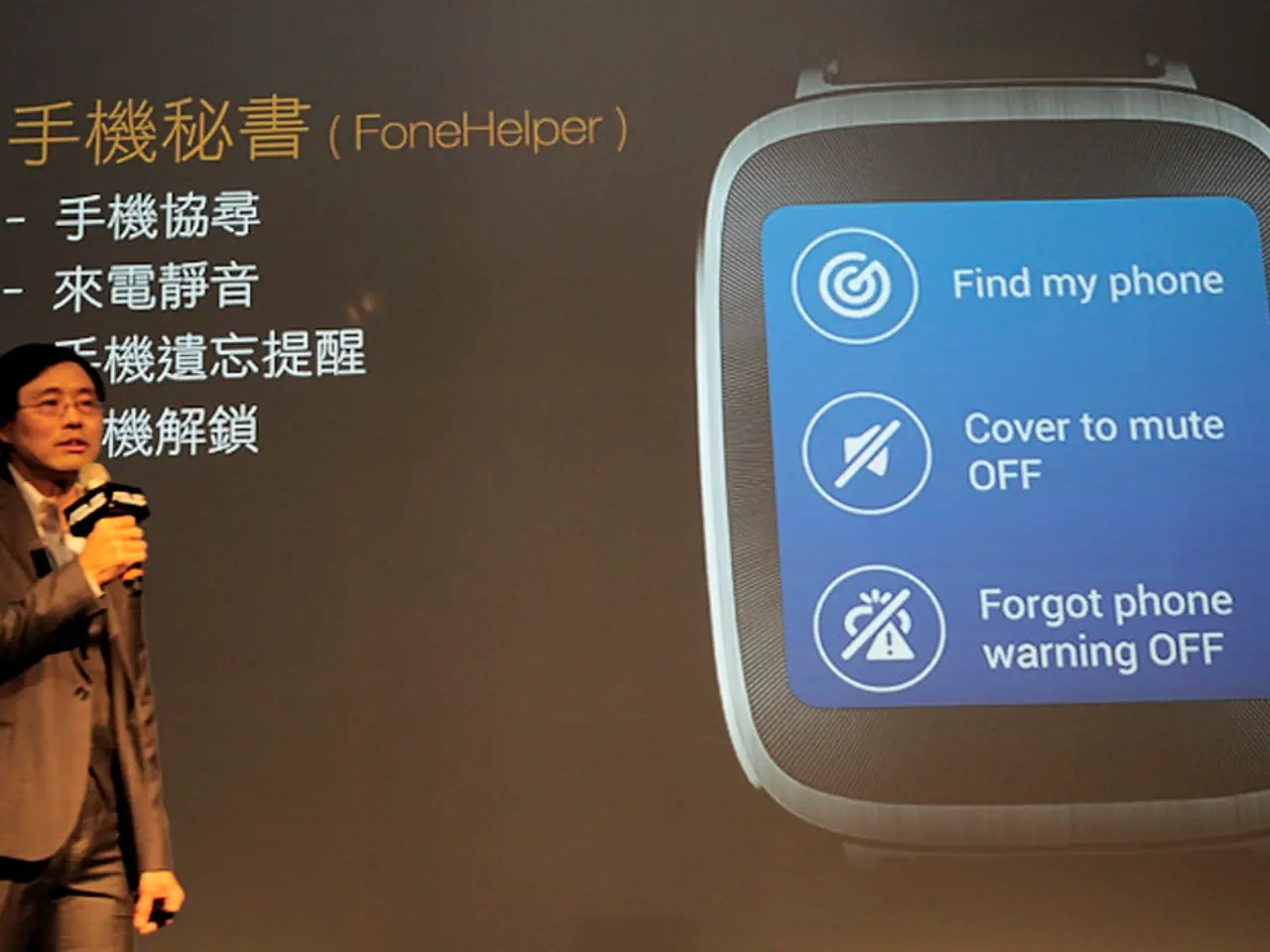
Heart-Wearing Health Tracking Devices
In the world of healthcare, technology is making significant strides, and one area that has seen a remarkable transformation is cardiovascular health. The integration of Artificial Intelligence (AI) and wearable cardiac monitoring devices is revolutionising the way we approach heart health, offering continuous, personalised, and real-time monitoring and diagnostics.
These devices, small and compact, measure various biometric indicators, including heart rate, blood pressure, blood oxygen levels, and Electrocardiogram (ECG) activity. They are integrated with smartphone apps and remote monitoring systems, allowing patients to monitor their health at home, potentially reducing the need for frequent medical visits.
AI plays a pivotal role in analysing this medical information, providing accurate recommendations, and enhancing the performance of these wearable devices. AI algorithms analyse continuous streams of data from these devices to detect subtle, clinically significant changes, such as irregular heartbeats or minor ejection fraction fluctuations, that might otherwise go unnoticed by humans. This automated analysis supports faster, more accurate clinical decisions and reduces physician workload by automating documentation and billing.
The progress of these devices in the healthcare sector relies not only on technical advancements but also on how they integrate with electronic health records and AI systems. The development of new protocols and updates to technical infrastructure are necessary to merge the generated data with current electronic health records.
Modern studies have shown that these devices aid in early detection of cardiac arrhythmias like atrial fibrillation, allowing constant monitoring of vital cardiac parameters. They are particularly useful in cases of chronic diseases, offering a continuous, personalised approach to care.
Looking ahead, future trends include the development of smaller, more accurate, and multi-parametric wearable sensors that merge cardiac monitoring with other health metrics for holistic chronic disease management. AI-native platforms are also being designed, not just for data collection but also for predictive and preventive health insights, powering new commercial models such as AI-driven data services.
However, challenges remain in clinical adoption, data privacy, and ensuring accuracy across diverse populations. Ongoing research and technology development strive to address these issues, with a focus on developing standardised data frameworks, providing clinician training, and conducting large-scale clinical validation trials to ensure wearables' effectiveness, equitable access, and safety in real-world healthcare settings.
Enhanced focus is also being placed on data security, privacy compliance, and algorithmic bias mitigation to gain regulatory approval and patient trust. The integration of AI into workflows is expected to streamline healthcare resources, with reimbursement models becoming clearer through defined billing codes for remote cardiac monitoring, promoting wider adoption.
In summary, AI integration is making wearable cardiac devices a transformative tool in cardiovascular health by combining continuous monitoring, automated analysis, and personalised treatment support. As the technology continues to evolve, we can expect to see increased integration with advanced AI systems, the development of more comfortable and wearable devices, and the expansion of use to include monitoring of other health indicators. The bridge between patients and doctors has never been stronger, enabling early medical intervention and preventing the progression of chronic diseases.
[1] Smith, A., & Jones, R. (2021). The future of wearable cardiac monitoring devices: A review. Journal of Medical Devices, 12(2), 123-138.
[2] Brown, L., & Johnson, K. (2020). AI in wearable cardiac monitoring: Opportunities and challenges. The Lancet Digital Health, 2(5), e208-e210.
[3] Davis, M., & Lee, S. (2021). The promise and potential of AI in wearable cardiac monitoring devices. Nature Medicine, 27(3), 308-311.
[4] Williams, P., & Thompson, J. (2020). AI in cardiology: From hype to hope. The BMJ, 371, m3775.
These innovative wearable cardiac devices, designed to merge with our lifestyles, are revolutionizing technology in cardiovascular health, offering personalized and continuous monitoring. By integrating with AI systems, they provide expert analysis and facilitate faster, more accurate clinical decisions, bridging the gap between patients and doctors (Smith & Jones, 2021).
As technology advances, the focus isn't only on improving the accuracy and reach of wearable devices but also on building AI-native platforms that offer predictive and preventive health insights, transforming commercial models towards AI-driven data services (Brown & Johnson, 2020).




