
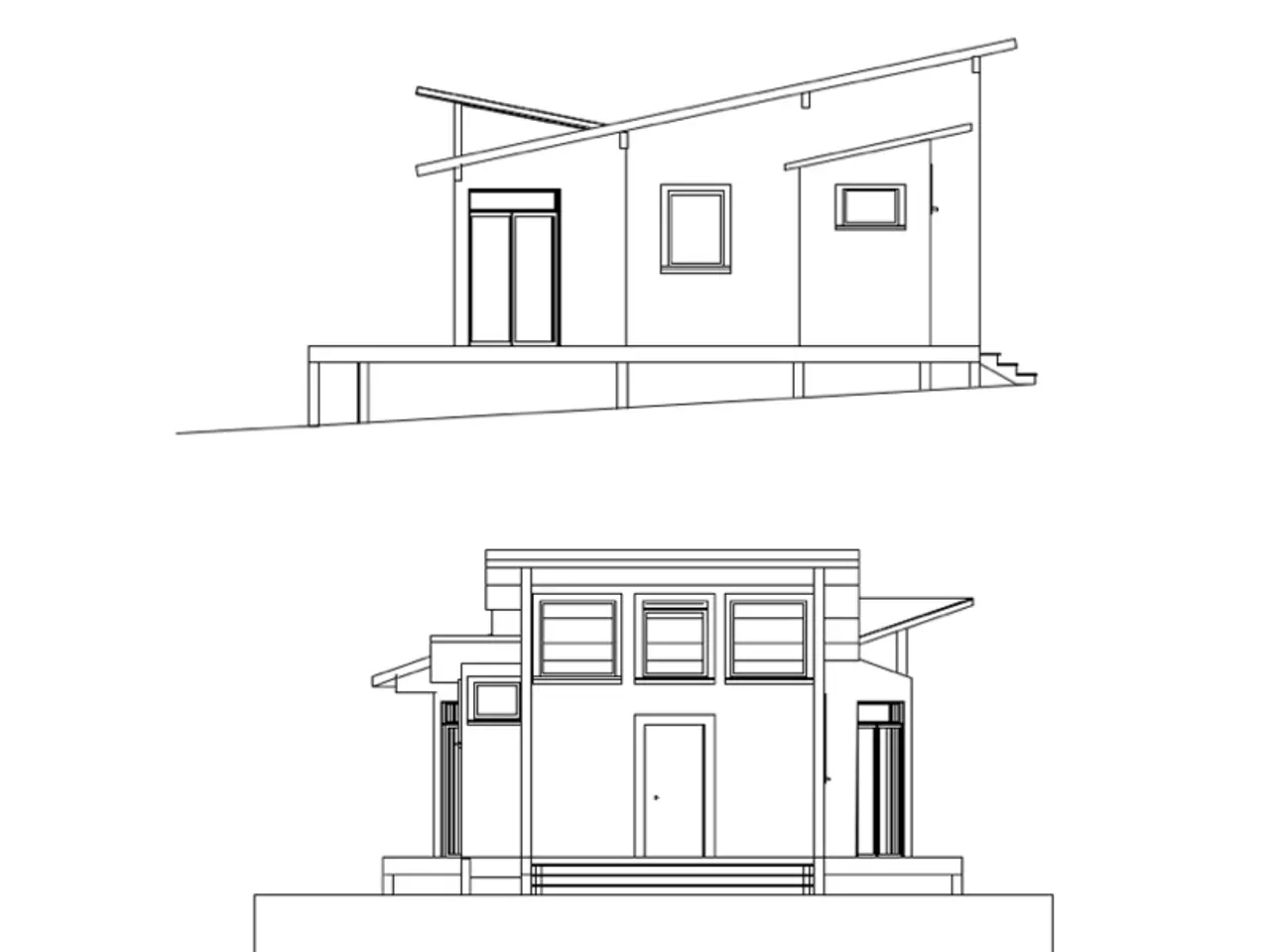
Innovative proptech firm PropertyRender revolutionizes property development across Africa, offering cutting-edge solutions
Transforming African Housing Markets: PropertyRender's PropTech Revolution
PropertyRender, a PropTech solution, is making waves in Africa by addressing the persistent housing deficit. By leveraging advanced technologies such as 3D visualization, AI-driven analytics, and virtual reality (VR) experiences, it is revolutionizing real estate development, marketing, and decision-making processes.
3D Visualization: The Cornerstone of Efficient Design and Planning
The introduction of 3D visualization technology is enhancing the design and planning process for housing projects. Developers, architects, and planners can now create detailed 3D models of residential layouts, allowing them to visualize and optimize spaces before construction begins. This not only improves efficiency but also enables potential homebuyers and investors to explore properties virtually at an early stage, making it easier to understand space, design, and suitability without the need for physical visits.
Moreover, these detailed and realistic visualizations can help accelerate regulatory approvals and stakeholder buy-in by providing clear project projections.
AI-Driven Analytics: Insights for Impactful Decisions
AI-driven analytics play a crucial role in identifying where housing shortages are most acute and where new developments have the highest impact. By analysing housing needs, demographic trends, pricing patterns, and economic variables, AI models can help developers build affordable and scalable housing solutions.
Furthermore, AI models can forecast construction costs, material requirements, and timelines, helping developers make informed decisions and build more efficiently. Predictive analytics also help anticipate market risks, enabling better investment decisions that reduce financial losses and support sustainable housing projects.
Virtual Reality Experiences: Expanding Market Reach
Virtual Reality (VR) technology offers immersive property tours, allowing prospective buyers and tenants to "walk through" homes and neighbourhoods remotely. This is particularly beneficial in areas where travel is costly or difficult, expanding the market reach and attracting more potential buyers and investors.
VR can also simulate living experiences in proposed developments, building trust and interest among local communities and investors. Additionally, VR environments aid in training construction workers and architects, improving quality and efficiency in building affordable housing.
Impact on Local Real Estate Markets (Zimbabwe and South Africa)
The implementation of PropertyRender's technologies is accelerating housing development, increasing transparency and trust, and expanding market reach in countries like Zimbabwe and South Africa.
By making design and planning more efficient and by engaging buyers earlier, PropertyRender helps reduce delays typical in African housing projects, speeding up construction and occupancy. This transparency addresses skepticism due to previous fraudulent or low-quality developments.
VR expands the pool of potential buyers and investors beyond local geographic limitations, attracting diaspora and foreign investment, which is vital for capital-scarce markets like Zimbabwe.
Data-driven urban planning, enabled by AI insights, supports governments and private sector players in targeting interventions where housing deficits are greatest, improving resource allocation.
The optimized costs and tailored housing solutions enabled by analytics help construct more affordable homes in both urban South Africa and Zimbabwe’s growing cities. This contributes to better living standards, increased employment in construction sectors, and growth in ancillary services.
In conclusion, PropertyRender's integrated PropTech approach is reshaping African housing markets by making development smarter, more efficient, and customer-centric. This is particularly transformative in Zimbabwe and South Africa, where housing shortages are critical, helping to mitigate the deficit through technology-enhanced planning, marketing, and construction processes.
As PropTech adoption accelerates across Africa, the continent is poised for a new era of sustainable growth and urban development. Issues such as land ownership disputes, unclear title deeds, and corruption can be addressed with solutions like blockchain, ensuring secure and transparent property transactions. PropTech solutions like those offered by PropertyRender are poised to revolutionize property development across Africa.
- PropertyRender's VR technology, a part of their PropTech approach, is resonating in Zimbabwe and South Africa, as it allows prospective buyers and investors to experience properties remotely, thus expanding the market reach and attracting more investment.
- In both Zimbabwe and urban South Africa, the implementation of PropertyRender's AI-driven analytics is optimizing costs and tailoring housing solutions, which helps construct more affordable homes, contributing to better living standards, employment growth, and ancillary service development.
- As PropTech adoption accelerates across Africa, the continent can anticipate addressing not only housing shortages but also lingering issues like land ownership disputes, unclear title deeds, and corruption through solutions like blockchain, ensuring secure and transparent property transactions.




