
Mobile Design Assessment Based on Single Finger Navigation and Single Eye View
======================================================================
In the realm of mobile user experience (UX) design, the "one thumb, one eyeball" test has emerged as a valuable tool for evaluating the usability of apps and websites. This simple yet effective method, proposed by Luke Wroblewski, Product Director at Google, aims to ensure high-quality user experience, particularly in a distracted environment where most mobile users engage in one-handed use with short spans of partial attention.
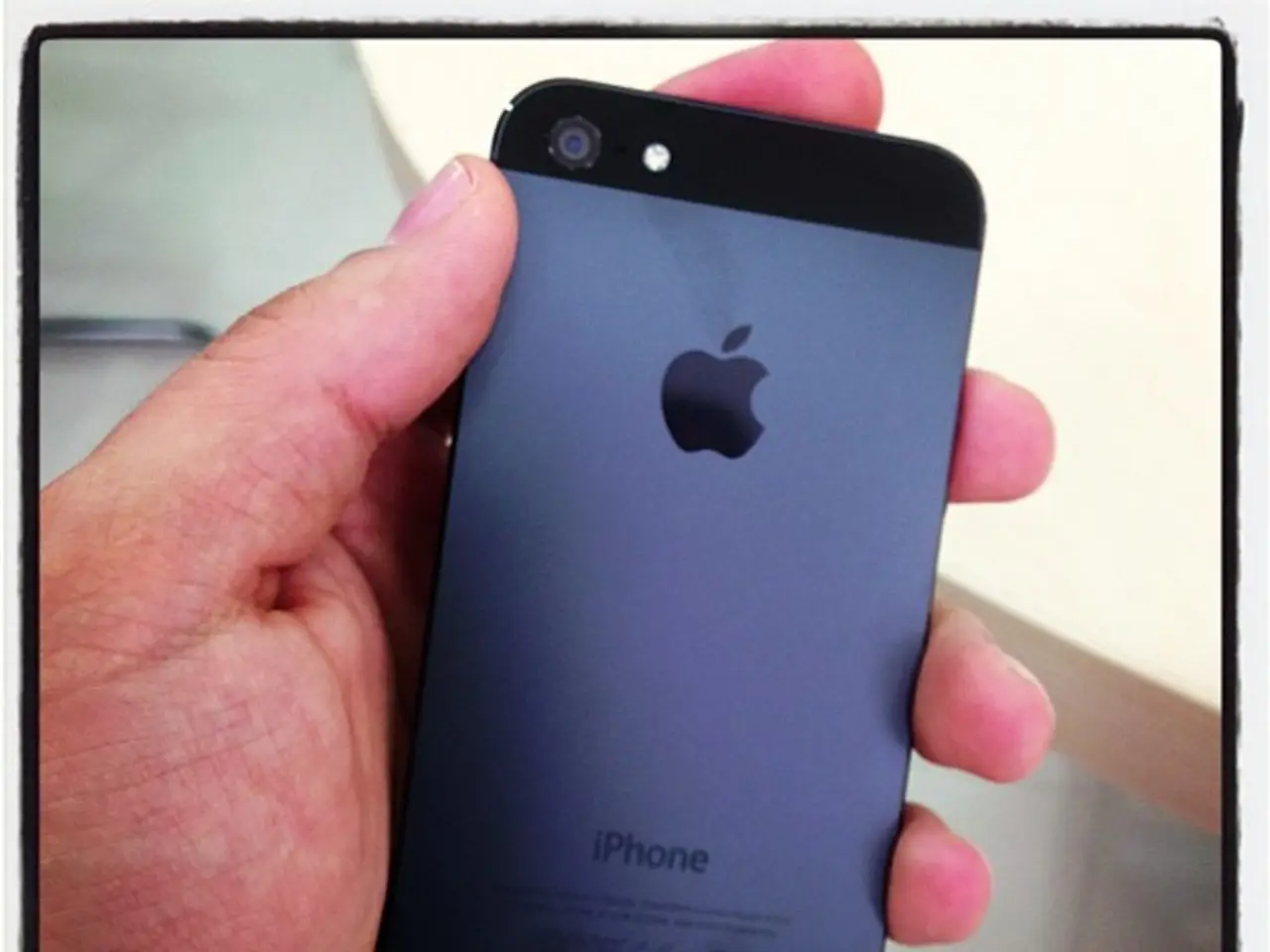
The test is designed to determine if users can complete tasks with just one hand in under 60 seconds. This approach mimics the way people typically use their mobile devices in real-world scenarios, such as walking or multitasking. The goal is to create mobile interfaces that are thumb-friendly and require minimal cognitive load, making them easy to navigate and interact with.
One notable example of the "one thumb, one eyeball" test in action is the Polar app, which was designed for creating photo polls. The Polar team successfully delivered a process so simple that most users could create a new poll in thirty seconds using only one thumb. This demonstrates the test's effectiveness in promoting simplicity and speed in mobile design.
However, it's important to note that the "one thumb, one eyeball" test is not limited to touch input. It was also used to test voice input in the Polar app, but it was found to not be significantly faster than the one-thumb input process.
The "one thumb, one eyeball" test is an inexpensive and practical method for conducting simple usability research for mobile apps and mobile websites, making it appealing to even the smallest design/development teams on tight budgets. It's recommended to test applications with users to decide what works best for them in their context.
In terms of mobile usage, activities vary throughout the day, and designers should optimize interaction to increase user acceptance. Users expect mobile designs to cater to their "need for speed" and may leave if they find the interaction complicated. Therefore, the "one thumb, one eyeball" test provides a great way to measure the speed and ease with which users can complete tasks on mobile devices, with the ultimate goal of completing a new poll in less than a minute using only one thumb.
For more insights into the "one thumb, one eyeball" test, Luke Wroblewski's original piece and a video demonstration of the test can be found on his blog. By prioritizing touch target accessibility for thumb reach and visual clarity for rapid eye processing during one-handed use, this test informs design choices through realistic usability testing that reflects actual user contexts.
User research should incorporate the "one thumb, one eyeball" test to evaluate the usability of mobile apps, as it simulates real-world usage scenarios and promotes interface designs that are easy to navigate with minimal cognitive load. To enhance user experience, interaction design must consider this test in conjunction with ui design, ensuring technology is harnessed to facilitate smooth and swift user interaction within a distracted environment.




