
Recognizing the Potential Danger Posed by Hemp
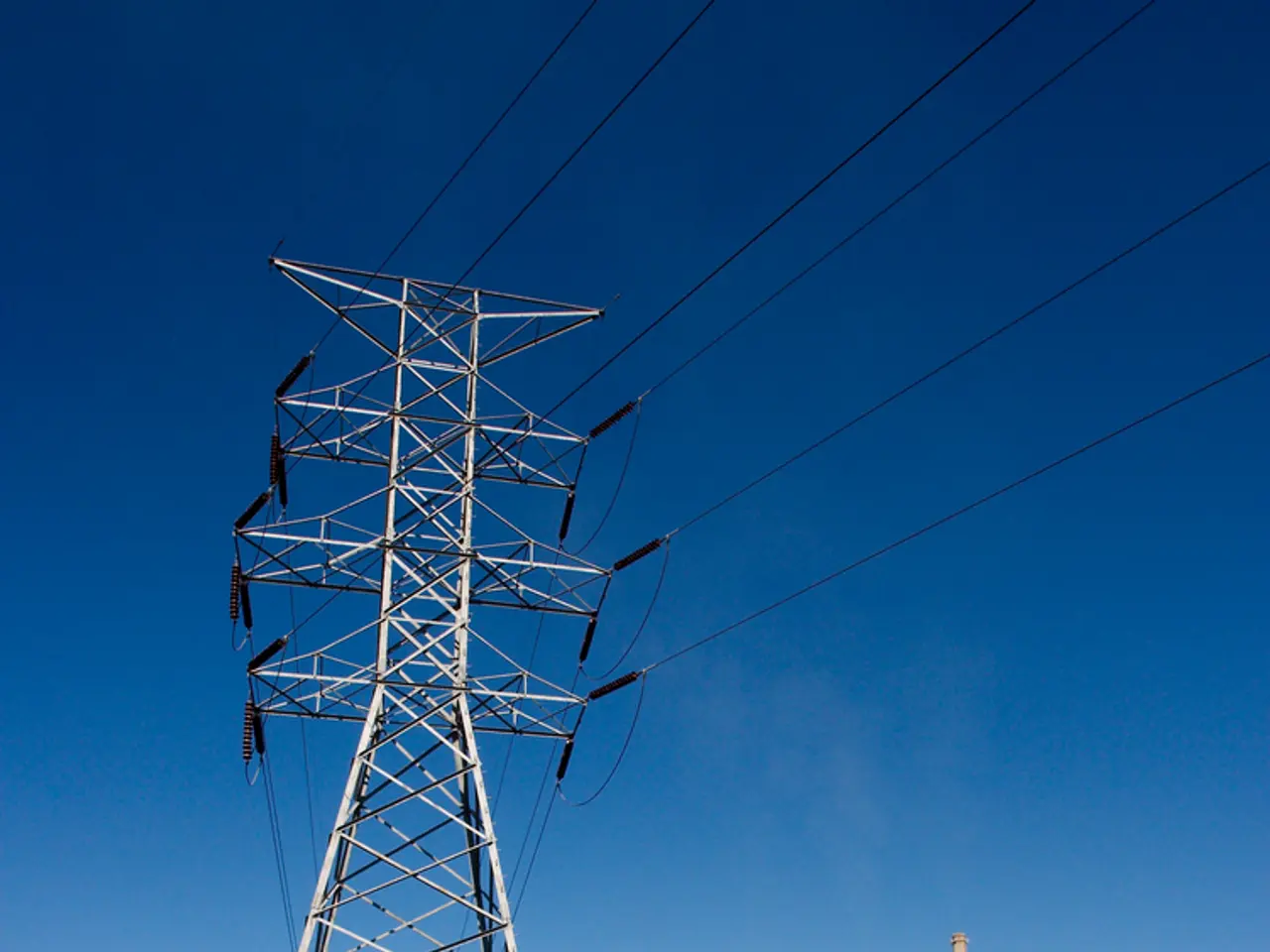
High-altitude Electromagnetic Pulse (HEMP) - a dangerous byproduct of nuclear blasts - poses a significant threat to the United States' power grids, communication infrastructure, and electronic devices. This electromagnetic radiation, generated by gamma rays from the explosion, can induce high voltages and currents in long conductors, leading to widespread damage to unshielded electronics.
The EMP Commission and Its Mission
The Commission to Assess the Threat to the United States from Electromagnetic Pulse Attack (the EMP Commission) was established by the U.S. House Armed Services Committee under the National Defense Authorization Act of 2001. The commission's immediate goals included understanding current standards for system acquisition related to EMP survivability, developing standards and methodology to test and assess future systems, and coordinating with other Department of Defense (DoD) services and entities to share EMP resources and information. The commission was active from 2001 through 2009 and reported on the country's vulnerabilities in both 2004 and 2008.
Navigating the Nuclear Age: The Navy's EMP Program
The Navy's Electromagnetic Pulse Program was revived in the late 1990s by the Naval Sea Systems Command (NAVSEA). The purpose of testing was to baseline the survivability of shipboard equipment and determine the ship's ability to fight after a full-scale level EMP. One of the largest simulators used during these experiments was the ATLAS-I, built during the 1970s and used until 1990. In 1993, EMPRESS II, a barge-mounted simulator, was used to test the USS Anzio's hardening against HEMP.
Protecting Critical Infrastructure: A Call to Action
While significant efforts have been made to protect essential functions in sectors like the electric utility industry, critical infrastructure segments such as financial, wastewater, drinking water, transportation, food distribution, healthcare, and emergency services have not taken similar measures to protect against EMP. Only three electric utilities in the United States have taken steps to harden their operational control centers and substation control buildings against EMP.
Hardening Systems Against HEMP
Robust defenses against HEMP require a comprehensive approach. This includes shielding electronics with conductive materials like metal foil or Faraday cages, using shielded cables terminated with backshell connectors, designing components to tolerate electromagnetic radiation levels, employing older technology like thermionic tubes, and implementing grounding and filtering strategies. Adhering to military standards such as MIL-STD-461 and MIL-STD-464 is crucial in ensuring the safety and operational margins of devices in both powered and unpowered states.
In conclusion, as the world continues to grapple with the threat of nuclear weapons, it is essential to invest in and prioritise the hardening of critical infrastructure against HEMP. By implementing these measures, we can minimise the potential damage caused by a HEMP event and ensure the continued functioning of our power grids, communication networks, and electronic devices in the face of such a catastrophic event.
- The EMP Commission, established in 2001, aimed to understand the current standards for system acquisition related to EMP survivability, develop standards and methodology for testing future systems, and coordinate with other relevant departments to share EMP resources and information.
- To safeguard critical infrastructure from HEMP, it's crucial to implement robust defensive measures such as shielding electronics, using shielded cables, employing older technology like thermionic tubes, and following military standards like MIL-STD-461 and MIL-STD-464 to ensure the safety and operational margins of devices in both powered and unpowered states.




