
U.S. Customs Enforcement Threatens Swiss Economic Instability
The United States has imposed a 39% tariff on Swiss imports, a move that is expected to have a significant adverse impact on several Swiss export industries. These include watches, machinery, chocolate, cheese, and gold.
In the watch sector, the tariff heavily affects lower-end or mid-priced Swiss watch brands, which rely heavily on the U.S. market. Small independent manufacturers face sharp increases in import costs, potentially losing their competitiveness in the U.S. market. The tariff poses a "huge danger" to certain multi-brand dealers specializing in less mainstream Swiss watch brands.
Swiss machinery exporters, who account for around 15% of their exports to the U.S., will also be hit hard by the tariff increase. This will lead to significant rises in costs for importers and negatively affect Swiss manufacturers in this sector.
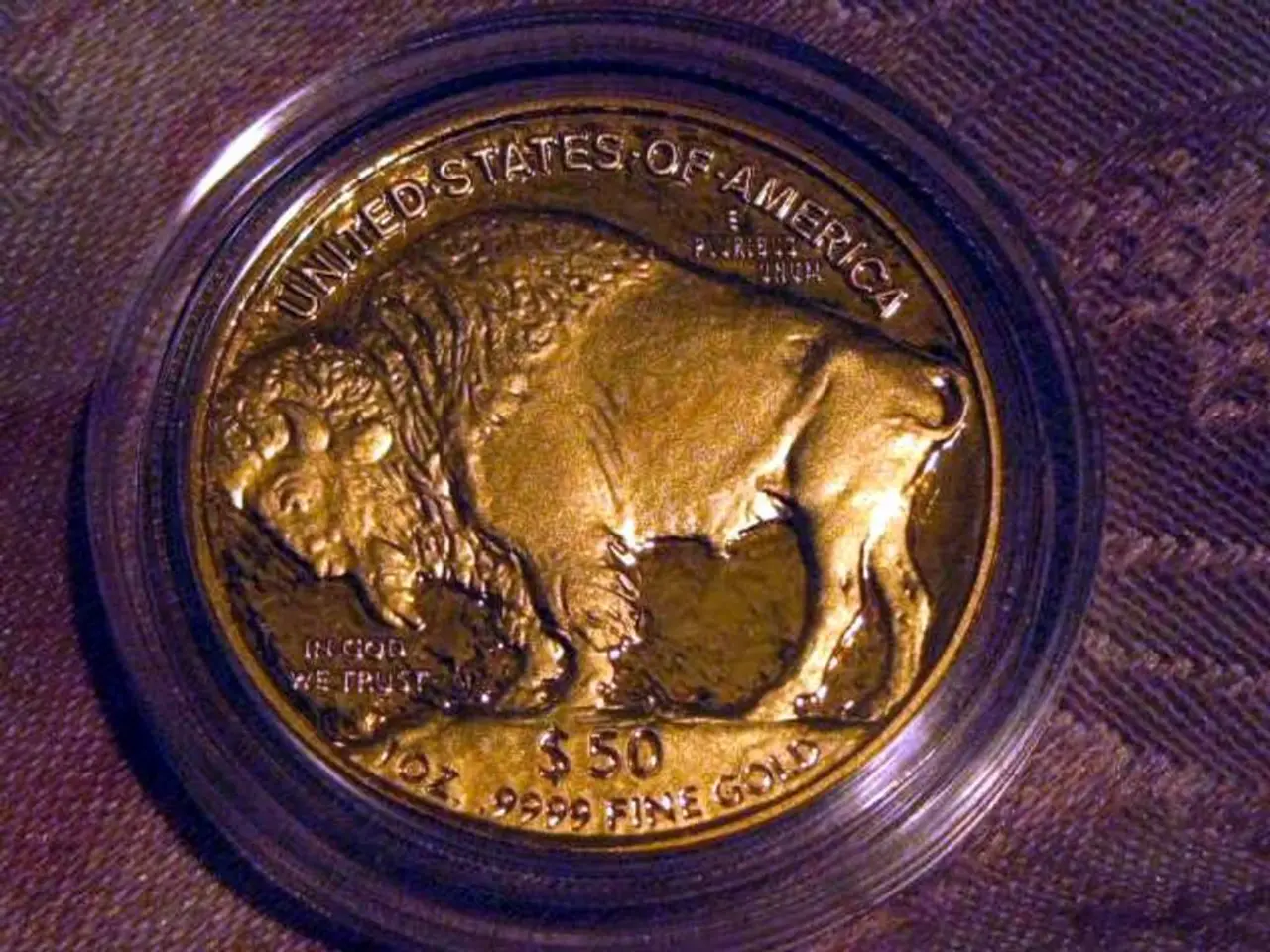
The 39% tariff on gold bars effectively halts exports of Swiss gold bars to the U.S. given the steep tariff rate. While gold shipments are high-value but low volume, the tariff exacerbates already narrow profit margins and increases transaction costs, possibly disrupting the gold refining sector's trade with its key U.S. partner.
The chocolate and cheese industries in Switzerland may also be affected as tariffs tend to increase costs and reduce competitiveness in the affected markets. The general economic impact on Swiss exports indicates a negative outlook that likely extends to agricultural and specialty food exports as well.
Economically, the tariff increase is estimated to reduce Swiss economic growth by between 0.3% and 1%. Switzerland, being the seventh-largest foreign investor in the U.S. with $307 billion invested, faces strained trade relations without comparable reciprocal agreements that other developed countries (like the EU, UK, or Japan) have secured.
Maestrani, a more than 170-year-old manufacturer of chocolate specialties, anticipates a decline in competitiveness in the U.S. market due to increased tariffs. Customers may face significantly higher prices for Maestrani chocolates, making them more expensive than U.S. or EU competitors.
Swissmem, the industry association of the tech industry, warns of potential plummeting orders due to increased tariffs. Swiss companies, world leaders in precision machines and components in certain areas, may be at a disadvantage if competitors can offer lower prices due to high tariffs.
The Gruyère cheese industry exports 13% of its production to the U.S., with over 4,300 tons sent last year. The industry expects sales to decrease and has already decided on production cuts due to increased U.S. tariffs.
Hans Gersbach, co-director of the KOF Swiss Economic Institute, suggests that the machinery, medical equipment, precision instruments, and pharmaceuticals sectors may shift production to Germany if the tariff differential persists.
The Swiss franc is also seen as a safe haven and has appreciated significantly due to market uncertainty and geopolitics. Competitors from the EU face lower U.S. tariffs (15%) compared to Swiss products. Swiss watches are highly sought after by the wealthy in the U.S., with Rolex, Breitling, Tag Heuer, Omega, Longines, Tissot, and Audemars Piguet being popular brands.
In summary, the 39% U.S. tariff on Swiss imports sharply increases costs for Swiss exporters in watches, machinery, and gold, with a likely spillover effect on other key sectors such as chocolate and cheese. This could potentially slow Swiss economic growth and disrupt a vital trade partnership.
Technology remains unaffected by the U.S. tariffs, but the Swiss tech industry may experience challenges due to potential plummeting orders. Swiss companies, world leaders in precision machines and components, may face difficulties if competitors can offer lower prices due to high tariffs in other industries.
Conversely, the increased costs and reduced competitiveness in sports-related exports, such as watches, may discourage American consumers from purchasing Swiss sports brands like Rolex, Breitling, Tag Heuer, Omega, Longines, Tissot, and Audemars Piguet. This situation could potentially affect the overall demand for Swiss products, potentially impacting the technology sector indirectly.




